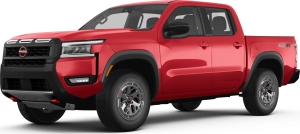
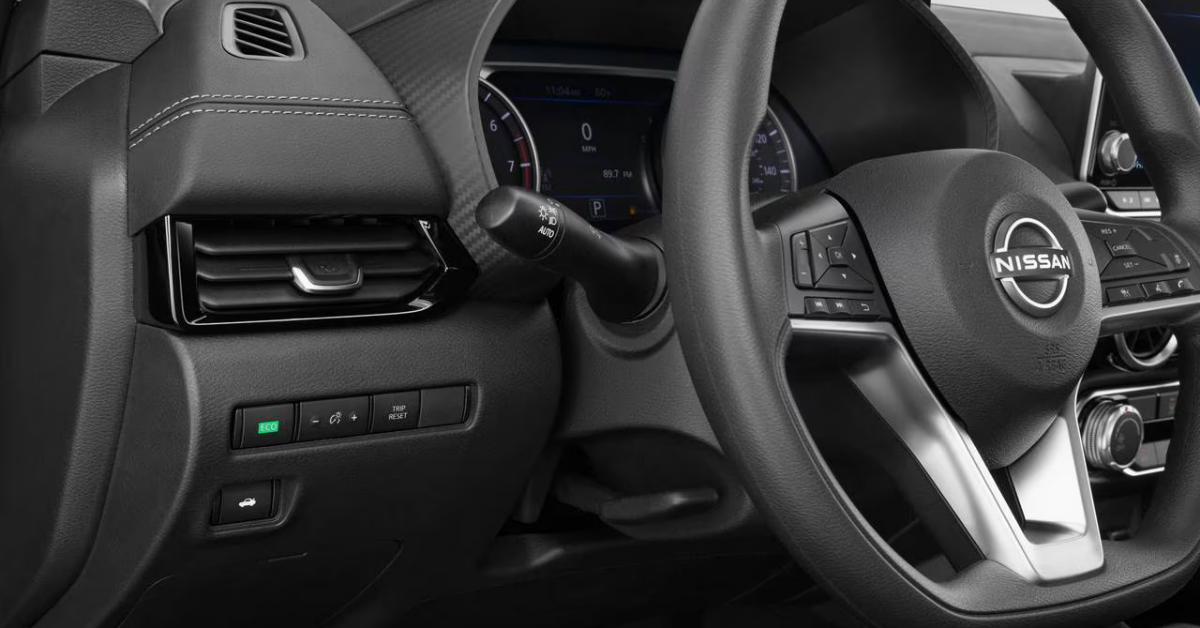
Your Nissan's steering should feel consistent and responsive, but when it suddenly feels tight, loose, or requires unusual effort, seven common culprits are typically to blame: low or contaminated power steering fluid, worn tie rods, a failing power steering pump, improper tire pressure, steering rack issues, wheel misalignment, or electric power steering system problems. Whether you're experiencing hard steering while parking your Sentra in Colton, noticing your Kicks wandering on San Bernardino highways, or feeling excessive play in your Frontier's wheel around Del Rosa, these issues demand attention for both safety and driving comfort.
Most causes are diagnosable and repairable, ranging from simple tire pressure adjustments to more involved repairs like steering rack replacement. The key is identifying the root cause early, before minor steering irregularities turn into safety hazards or expensive component failures.
At Nissan of Redlands, our certified technicians have the expertise and diagnostic tools to identify and resolve any Nissan steering problems quickly and effectively. We're proud to serve drivers throughout Colton, San Bernardino, Amber Hills, and Del Rosa with comprehensive automotive care, from routine maintenance to complex steering system repairs. Contact us today or visit NIssan of Redlands and explore our wide range of new and used vehicles.
1. Is Low or Contaminated Power Steering Fluid Causing Your Steering Issues?
Your power steering system depends on hydraulic fluid to make turning easy. When fluid levels drop or the fluid gets dirty, your Nissan steering feels tight and hard to control. This is one of the most common reasons drivers in Colton and San Bernardino notice steering problems.
Low fluid happens from leaks in hoses or seals. Normal use can also cause fluid to evaporate slowly. When levels get too low, you'll feel it right away in your Sentra, Kicks, or Frontier.
Common symptoms of low or dirty power steering fluid include:
- Heavy, stiff steering that takes real effort to turn
- Whining or groaning sounds when you turn the wheel
- Harder steering at low speeds or when parked
- Dark, cloudy fluid instead of clear amber color
What to check right now: Find your power steering fluid tank under the hood. Your owner's manual shows the exact spot. The fluid should reach the "full" line and look clear or light amber, not dark or murky.
If the level is low, add the right type of fluid listed in your manual. Top it off slowly and check the level again.
If you're adding fluid often, you have a leak. Dark or dirty fluid means the whole system needs a flush. Both issues need a mechanic's attention to fix properly.
Why is my Nissan steering hard even after adding fluid? You might have Nissan steering rack issues or a worn pump. The fluid is just one part of a larger system. A full check will find the real cause.
2. Could Worn Tie Rods Be Making Your Nissan Steering Feel Loose?
Tie rods connect your steering wheel to your actual wheels. They translate every turn you make into wheel movement. When tie rods wear out, your Nissan steering feels loose and vague. You lose that tight, connected feeling between your hands and the road.
These parts take a beating over time. Road debris hits them constantly. Once the rubber boots crack, dirt and moisture get inside. The tie rod joints start to wear down fast.
Signs your tie rods are failing:
- Loose steering that feels disconnected and imprecise
- Your Kicks or Sentra wanders on the highway
- You have to keep correcting the wheel to stay straight
- The front end feels unstable at higher speeds
- Clunking sounds when you turn the wheel
Drivers in Del Rosa and Amber Hills often notice these symptoms after hitting rough roads. One big pothole can damage a tie rod that was already worn. The problem gets worse quickly once it starts.
Worn tie rods create a real safety risk. In extreme cases, a tie rod can separate completely. When that happens, you lose all steering control on that wheel. Your Frontier or other vehicle becomes very hard to control.
Why professional repair matters:
Have your tie rods checked during routine service visits. A mechanic can spot wear before it becomes dangerous. They'll check for play in the joints and torn rubber boots.
Replacement requires special tools and wheel alignment afterward. The cost of tie rod replacement is far less than the cost of an accident. It's also much cheaper than fixing Nissan steering rack issues that develop when bad tie rods stress other parts.
3. Is a Failing Power Steering Pump Making Your Steering Hard?
The power steering pump is what makes your steering light and easy. It pushes fluid through the system under high pressure. When this pump starts to fail, your Nissan steering feels tight and takes real muscle to turn. This happens most at low speeds and during sharp turns.
A bad pump makes itself known through sound. You'll hear whining when you turn the wheel. Some pumps squeal or grind as they wear out. These noises often happen when parking your Sentra or Kicks in tight spaces around San Bernardino.
Common signs of pump failure:
- Much harder steering effort, especially at low speeds
- Whining sound that changes pitch as you turn
- Squealing from under the hood when turning
- Grinding noise that suggests internal damage
Why is my Nissan steering hard only sometimes? A failing pump struggles most when it needs to work hardest. Sharp turns require the most pressure. That's why you notice the problem more in parking lots than on the freeway.
Don't wait to fix a bad pump. A failing pump puts stress on other parts of the system. It can damage seals in your steering rack. What starts as a pump problem can turn into multiple Nissan steering problems if left alone.
What happens during pump replacement:
A mechanic will remove the old pump and install a fresh one designed for your Frontier or other model. New fluid goes in to flush out debris. The system gets bled to remove air bubbles.
Pump replacement solves the problem completely. Your steering will feel light and easy again. Those annoying noises will disappear. Catching this early prevents damage to other expensive parts like the steering rack.
4. Could Improper Tire Pressure Be Affecting Your Nissan's Steering?
Tire pressure seems simple, but it has a huge effect on steering feel. Wrong pressure is one of the most common causes of steering problems. The best part? You can check and fix this yourself in just five minutes.
Underinflated tires make your Nissan steering feels tight and heavy. Low pressure increases how much the tire drags on the road. Your Sentra or Kicks becomes harder to turn, especially at low speeds.
Overinflated tires create the opposite problem. Too much air reduces the tire's contact with the road. Your steering feels overly light and twitchy. The Frontier might feel like it's floating or darting around.
How wrong tire pressure affects your driving:
- Low pressure: heavy steering, sluggish response, poor fuel economy
- High pressure: loose steering, harsh ride, reduced traction
- Uneven pressure: vehicle pulls to one side
Temperature changes affect tire pressure more than most people realize. Cold mornings in Colton can drop pressure by several PSI. Check your tires when they're cold for the most accurate reading.
Where to find the right pressure:
Open your driver's door and look at the door jamb. You'll see a sticker with the correct PSI for your vehicle. This is the pressure your Nissan needs, not the max pressure stamped on the tire itself.
Check all four tires with a quality pressure gauge. Add or release air to match the door sticker numbers. Do this at least once a month.
Proper tire pressure prevents other Nissan steering problems from getting worse. It reduces stress on your suspension and steering parts. Good pressure even improves your gas mileage around San Bernardino and Del Rosa.
5. Are Nissan Steering Rack Issues Behind Your Steering Problems?
The steering rack is the heart of your entire steering system. It converts the rotation of your steering wheel into the side-to-side motion that turns your wheels. When the rack wears out, your Nissan steering feels loose and unresponsive.
Years of constant use take their toll. High-mileage Sentras, Kicks, and Frontier trucks often develop rack problems as they age. Internal wear creates play in the system. You turn the steering wheel but nothing happens right away.
Signs your steering rack is wearing out:
- Loose steering with noticeable play in the wheel
- You can turn the wheel slightly without the wheels moving
- Clunking or knocking sounds when turning
- Fluid leaks under the front of your vehicle
- Grinding feeling when you turn
Nissan steering rack issues often show up gradually. The play gets worse over time. What starts as small looseness becomes a major gap. You might need to turn the wheel several inches before anything happens.
Leaking seals are another common rack problem. When seals fail, you'll see red or brown fluid on your driveway. The leak gets worse and your steering loses assist.
Why this needs professional diagnosis:
A mechanic can test for excessive play using special tools. They'll check the rack boots for tears and look for fluid leaks. Steering rack replacement is a big job that costs more than simple fixes, but it's crucial for safe driving.
High-mileage vehicles need this repair eventually. If your Frontier has over 150,000 miles, rack wear is normal. Rough roads and potholes in Amber Hills speed up the wear.
Don't confuse rack issues with other Nissan steering problems. A loose steering wheel could also mean worn tie rods. Get an accurate diagnosis before spending money on repairs.
Once replaced, a new steering rack restores tight, precise steering. Your vehicle feels solid and controlled again.
6. Is Wheel Misalignment Causing Your Steering to Feel Off?
Wheel alignment controls how your tires meet the road surface. When alignment is off, your Nissan steering feels loose and requires constant small corrections to stay straight. It's tiring and frustrating on long drives.
Alignment problems happen easily on rough roads. Hit a deep pothole in San Bernardino and your alignment can shift. Bump a curb while parking and the angles change. Even normal wear over time throws things off gradually.
Common symptoms of misalignment:
- Vehicle pulls steadily to one side
- Steering wheel is off-center when driving straight
- Tires squeal around corners
- Uneven or rapid tire wear
- Steering feels loose and wandering
Your Sentra or Kicks might pull to the left or right. You have to hold the wheel at an angle to drive straight. Uneven tire wear tells the story too. One edge might be worn down while the other looks fine.
Misalignment makes other problems worse. It puts extra strain on your suspension parts and can contribute to Nissan steering problems by stressing tie rods. Your tires wear out fast, costing you extra money.
How alignment service works:
A shop uses special equipment to measure your wheel angles. They compare the readings to factory specs for your Frontier or other model. Technicians adjust the angles by turning bolts and moving suspension parts. The whole process takes about an hour.
Get your alignment checked once a year at minimum. Check it any time you hit something hard. The cost is reasonable, usually under $100. Compare that to the cost of new tires every year from uneven wear.
After alignment, your vehicle drives straight with no pulling. Everything tracks true down the road around Colton and Del Rosa.
7. Could Electric Power Steering System Failure Be the Culprit?
Many newer Nissan models use electric power steering instead of hydraulic systems. Electric power steering, or EPS, uses an electric motor to help you turn the wheel. No fluid, no pump, no hoses. Just a motor and sensors working together. This system is common in modern Sentras and Kicks. It's efficient and reliable in most cases. But when EPS fails, your Nissan steering feels tight and suddenly very heavy. The change can happen without warning while you're driving.
Common EPS failure symptoms:
- Sudden heavy steering that takes real effort
- Warning lights on the dashboard
- Steering assist that cuts in and out
- Different levels of assist at random times
- Strange noises from the steering column
EPS problems often come from electronic issues. A sensor might fail or send bad data. Wiring can get damaged or corroded. The motor itself can wear out over time.
When EPS fails, you'll usually see a warning light on your dash. Don't ignore these lights. They mean the system has detected a problem and may have shut down assist.
You can still steer the vehicle without power assist, but it takes a lot of muscle. Parking becomes a real workout around Colton and San Bernardino.
What EPS diagnosis involves:
A mechanic connects a special scanner to your Frontier or other vehicle. The scanner reads error codes that point to the exact problem. Some fixes are simple like sensor recalibration. Other times the motor needs full replacement.
Don't try to diagnose EPS yourself. These systems are complex and need special tools. Professional diagnosis finds the real issue fast.
EPS problems are less common than other Nissan steering problems in 2026 models. But when they happen, they need immediate attention. Proper repair restores full function and your steering becomes light and easy again.
Frequently Asked Questions About Nissan Steering Problems
What can cause a Nissan's steering to feel unusually tight?
A Nissan's steering can feel tight due to low or contaminated power steering fluid, a failing power steering pump, underinflated tires, or a failing electric power steering system.
What can make my Nissan's steering feel loose or sloppy?
Loose steering is typically caused by worn tie rods, a worn steering rack or gearbox, overinflated tires, or wheel misalignment.
How do I diagnose whether the problem is in the steering rack, suspension, or tires?
Start by checking tire pressure first, as it's the easiest fix. If pressure is correct, have a mechanic inspect for play in the steering wheel, check tie rods and rack boots for wear, and test the steering system with specialized tools to pinpoint the exact cause.
When should I take my Nissan to a shop if the steering feels wrong?
Take your Nissan to a shop immediately if you experience sudden loss of power steering, a steering wheel that locks up or becomes immovable, loud grinding or clunking sounds, a steering wheel that turns but wheels don't respond, or violent steering wheel shaking.
Are there maintenance steps to prevent steering problems in a Nissan?
Yes, check tire pressure monthly, have your steering system inspected every 30,000 to 50,000 miles, check power steering fluid levels regularly, get wheel alignments annually or after hitting potholes, and address any unusual sounds or steering changes promptly.
Get Expert Help With Your Nissan's Steering at Nissan of Redlands
Your Nissan's steering system is too important to ignore. When something feels off, whether tight or loose, prompt attention keeps you safe on the road. The certified technicians at Nissan of Redlands have the tools and expertise to diagnose and fix any steering issue quickly. We're proud to serve drivers throughout Colton, San Bernardino, Amber Hills, and Del Rosa with complete automotive care.
Thinking about upgrading your vehicle? Explore our wide selection of new and pre-owned Nissans including the Sentra, Kicks, and Frontier. If you're curious about which Nissan model best suits your needs, we can help. Compare the Kicks SR and Trax LT to find the right compact SUV, learn about Nissan Pathfinder towing capacity for your hauling needs, or explore how the Pathfinder vs Telluride Comparison for family adventures.
Contact Nissan of Redlands today to schedule your steering system inspection. Give us a call or stop by our dealership. We'll get your Nissan driving like new again.
Get Directions to Nissan of Redlands
Disclaimer: All information is provided for general informational and entertainment purposes only. While we strive for accuracy, we cannot guarantee that all content is complete, current, or error-free. Any reliance you place on such information is strictly at your own risk. This article may include opinions and is not endorsed by, or officially affiliated with, any vehicle manufacturer or brand. Always consult official sources – such as the vehicle’s owner’s manual, authorized dealerships, or certified professionals – for the most up-to-date and personalized information.